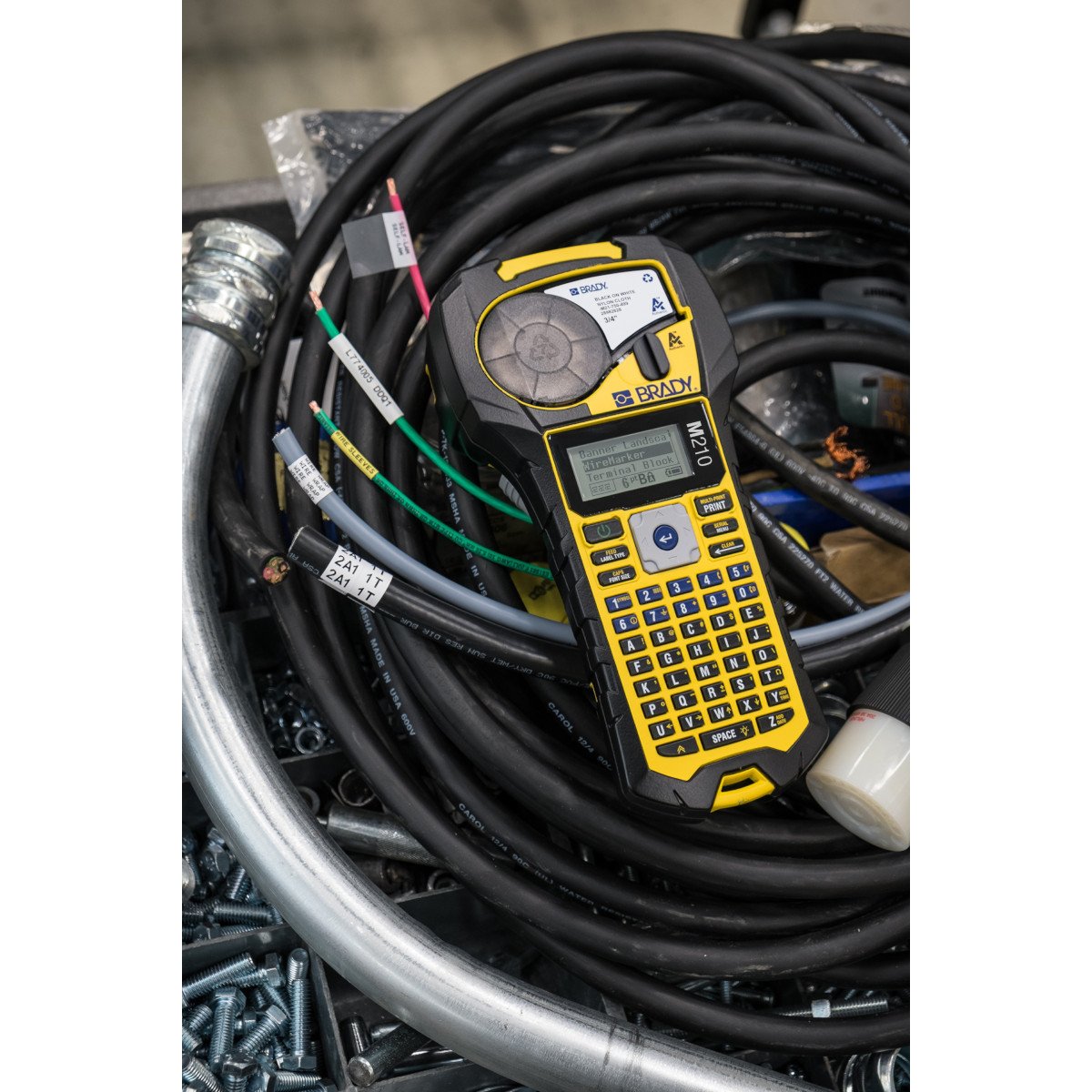
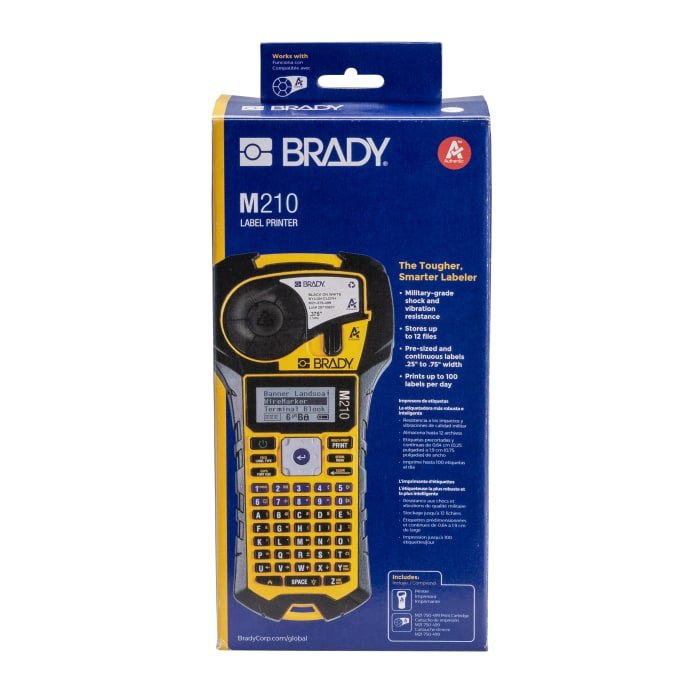
The m210 handheld label maker with accessory kit is an essential tool for anyone looking to bring organization and clarity into their life. This compact device is not just about labeling; it represents a blend of functionality and convenience that empowers users to easily create custom labels for various applications, whether it be in the office, home, or for personal projects.
With its user-friendly design and included accessories, this label maker opens up a world of possibilities for both professional and personal use.
Imagine a world where everything is properly labeled, making it easy to locate items, manage projects, and streamline tasks. The m210 handheld label maker comes equipped with features that enhance the labeling experience, ensuring that you can effortlessly create clear, durable labels that stand the test of time. From organizing your home office to crafting unique labels for gifts, this device is your go-to companion for all labeling needs.
In today’s fast-paced world, the significance of effective communication cannot be overstated. Whether we are engaging in personal interactions or navigating the professional landscape, the ability to convey our thoughts, ideas, and emotions clearly and concisely is paramount. This article delves into the various facets of communication, exploring its elements, the barriers that often hinder it, and the strategies we can employ to enhance our communicative abilities.Firstly, let’s consider what communication truly is.
At its core, communication is the process of exchanging information between individuals through a shared system of symbols, signs, or behavior. This exchange can take various forms, including verbal communication, nonverbal communication, and written communication. Each form plays a critical role in how we connect with others and express ourselves.Verbal communication involves the use of spoken words and is often the most immediate way to convey our messages.
It encompasses everything from casual conversations to formal speeches. The effectiveness of verbal communication can be influenced by several factors, including tone, clarity, and the ability to listen actively. A friendly tone can foster a positive atmosphere, while clarity ensures that the message is understood as intended. Active listening, on the other hand, involves fully concentrating on what the other person is saying, which not only helps in understanding but also shows respect for their viewpoint.Nonverbal communication, though sometimes overlooked, is equally vital.
It includes body language, facial expressions, gestures, and eye contact. These nonverbal cues can reinforce or contradict what is being said verbally. For instance, a person might say they are happy, but their crossed arms or lack of eye contact could suggest otherwise. Understanding and interpreting these nonverbal signals can enhance our interactions and help us respond appropriately.Written communication, encompassing everything from emails to reports, requires a different skill set.
It allows for careful consideration of words and structure, giving the writer the chance to think through their message before it is delivered. However, written communication can also lead to misunderstandings if the tone is not conveyed correctly. The absence of vocal tone and facial expressions means that writers must be especially mindful of their word choice and the potential interpretations of their message.Despite the various forms of communication, several barriers can impede effective exchanges.
These barriers can be physical, psychological, or even semantic. For example, physical barriers might include distance or environmental distractions, while psychological barriers could stem from preconceived notions or emotional states that affect how a message is received. Semantic barriers arise when the sender and receiver have different interpretations of the words used. This underscores the importance of clarity and context in communication.To overcome these barriers, several strategies can be employed.
Firstly, fostering an environment of openness encourages honest and transparent dialogue. Creating a space where individuals feel comfortable sharing their thoughts can significantly enhance communication effectiveness. Secondly, practicing active listening is crucial. This involves not just hearing the words being spoken but also understanding the underlying emotions and intentions. Asking clarifying questions and summarizing the speaker’s points can help ensure that both parties are on the same page.Additionally, honing one’s emotional intelligence can greatly improve communication skills.
This involves being aware of one’s emotions and those of others, enabling individuals to navigate conversations with empathy and understanding. By recognizing emotional cues, one can adjust their approach to suit the audience and the context better. Moreover, adapting communication styles to suit different situations is essential. A conversation with a colleague may require a more formal tone compared to a chat with a friend.Furthermore, leveraging technology has become increasingly important in modern communication.
With the rise of digital platforms, individuals can connect with others across the globe in an instant. However, this also means that the nuances of face-to-face communication can sometimes be lost. To counter this, being mindful of how messages may come across in written form is essential. Using emojis or exclamation points can help convey tone in text-based communication, but overuse can lead to misunderstandings.In conclusion, effective communication is a multifaceted skill that requires constant practice and awareness.
Understanding the different forms of communication, recognizing potential barriers, and employing strategies to enhance interactions are all critical components. By fostering an environment of openness, practicing active listening, developing emotional intelligence, and adapting to different contexts, individuals can significantly improve their communication abilities. In a world where connections are more vital than ever, investing time and effort into becoming a better communicator is undoubtedly worthwhile.
Essential FAQs
What types of labels can be made with the m210?
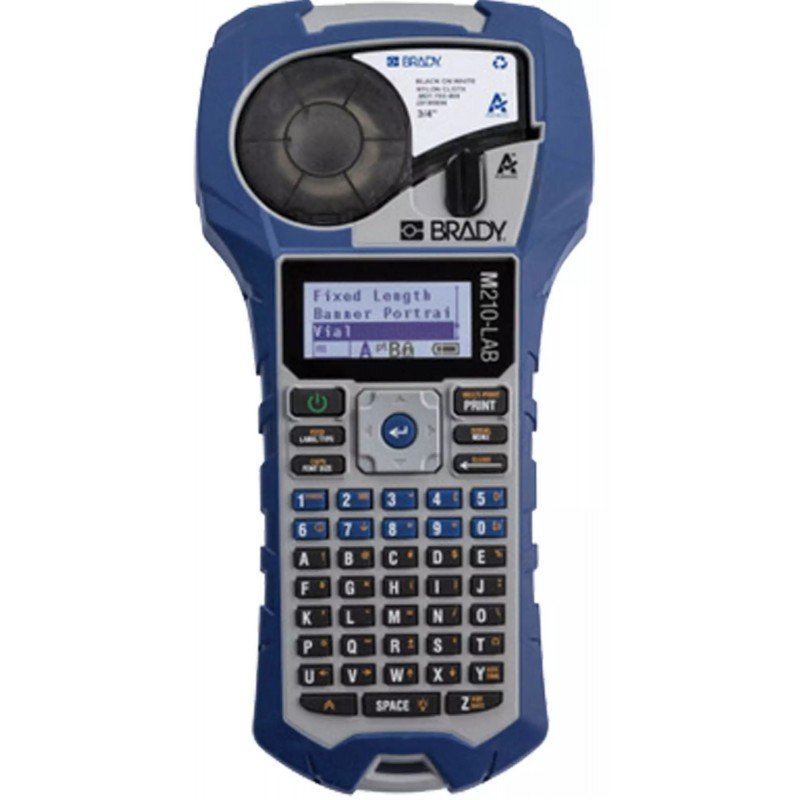
The m210 can create various label types including address labels, file folder labels, and even decorative labels for crafts.
Is the label maker battery-operated?
Yes, the m210 is battery-operated, making it portable and easy to use anywhere.
Can I use different fonts and sizes?
Absolutely! The m210 offers multiple font styles and sizes, allowing for customization in your labeling projects.
What accessories are included in the kit?
The accessory kit typically includes extra label tape, a carrying case, and additional printing templates.
Is it user-friendly for beginners?
Yes, the m210 is designed to be intuitive and easy to use, making it suitable for beginners and experienced users alike.