As mc2 bag takes center stage, this opening passage beckons readers into a world crafted with good knowledge, ensuring a reading experience that is both absorbing and distinctly original.
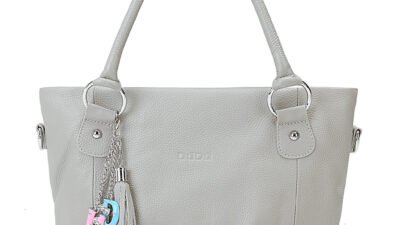
The mc2 bag is not just an accessory; it’s a statement piece designed for those who prioritize both style and functionality. With its sleek design and ample storage, it seamlessly combines practicality with modern aesthetics, making it the perfect companion for daily commutes, weekend getaways, or casual outings.
In today’s fast-paced digital world, the importance of effective communication cannot be overstated. Whether in personal relationships or professional settings, the way we convey our thoughts and emotions can significantly impact our interactions. This article delves into the nuances of communication styles, exploring how they shape our connections with others and providing tips on how to enhance your communication skills for better outcomes.To begin, it’s essential to understand that communication is not merely about exchanging words; it encompasses a wide array of non-verbal cues, active listening, and emotional intelligence.
Each of these elements plays a vital role in how messages are sent and received. Successful communication involves not only articulating one’s thoughts clearly but also being receptive to the perspectives and emotions of others. The Various Styles of CommunicationCommunication styles can generally be classified into four categories: assertive, passive, aggressive, and passive-aggressive. Understanding these styles can help individuals identify their own tendencies and recognize how they interact with others.
1. Assertive Communication

This style is characterized by confidence and respect. Assertive communicators express their thoughts and feelings openly while considering the rights and opinions of others. They are direct but do so in a manner that is calm and courteous. This style is often regarded as the most effective way to communicate, as it fosters mutual respect and understanding.
2. Passive Communication
Individuals who adopt a passive style often avoid expressing their thoughts or feelings. They may prioritize the needs of others over their own, leading to misunderstandings and resentment. Passive communicators tend to struggle with setting boundaries and may feel overwhelmed by their emotions.
3. Aggressive Communication
Aggressive communicators express their feelings and needs in a way that disregards the rights of others. This style can lead to conflict and hostility, as these individuals often come across as domineering or confrontational. Aggression in communication typically stems from insecurity or a need to be in control, which can alienate others.
4. Passive-Aggressive Communication
This style is a combination of passive and aggressive traits. Passive-aggressive communicators may appear agreeable on the surface but often express their dissatisfaction indirectly. They might use sarcasm, procrastination, or subtle insults as a way to communicate their feelings without confronting the issue directly. This style can lead to confusion and frustration in relationships. The Importance of Non-Verbal CommunicationWhile verbal communication is crucial, non-verbal cues often speak louder than words.
Body language, facial expressions, eye contact, and tone of voice all contribute to the overall message being conveyed. For example, crossing arms may indicate defensiveness, while leaning forward can show interest and engagement.Being aware of your own non-verbal signals is just as important as interpreting those of others. A mismatch between verbal and non-verbal communication can lead to misunderstandings. For instance, if someone says they are happy but their facial expression conveys sadness, it may create confusion.
Striving for consistency between what we say and how we present ourselves can enhance clarity and trust in communication. Active Listening and Its RoleActive listening is another essential component of effective communication. It involves fully concentrating, understanding, responding, and remembering what is being said. This skill requires patience and practice, but it is critical for establishing strong connections. Here are a few tips to develop active listening skills:
Give Full Attention
Put away distractions and focus entirely on the speaker. This shows respect and encourages open dialogue.

Reflect and Clarify
Paraphrase what the speaker has said to ensure understanding. Asking clarifying questions can also demonstrate engagement and interest.
Avoid Interrupting
Allow the speaker to finish their thoughts without interruption. This not only shows respect but also enables you to grasp the full context of the conversation. Emotional Intelligence in CommunicationEmotional intelligence (EI) is the ability to recognize, understand, and manage our emotions while also being able to empathize with others. High EI is vital for effective communication, as it enables individuals to navigate complex social dynamics and respond appropriately to the emotions of others.Developing emotional intelligence can lead to better relationships, reduced stress, and improved conflict resolution skills.
Practicing self-awareness, self-regulation, motivation, empathy, and social skills can enhance one’s ability to communicate effectively. Practical Tips to Enhance Communication Skills
1. Practice Clarity and Conciseness
When expressing your thoughts, aim to be clear and to the point. Avoid using jargon or overly complex language that may confuse the listener.
2. Stay Open-Minded
Be willing to consider different perspectives. This not only fosters collaborative discussions but also shows respect for others’ viewpoints.
3. Be Mindful of Tone
The tone of your voice can significantly affect how your message is received. A warm, friendly tone can create a positive atmosphere, while a harsh tone may lead to defensiveness.
4. Adjust Your Communication Style
Adapt your style based on the context and the individual you are communicating with. Flexibility can help you connect with a diverse range of people.
5. Seek Feedback
Encourage others to share their impressions of your communication style. Constructive feedback can provide valuable insights for improvement.In conclusion, effective communication is an art that requires practice and self-awareness. By understanding different communication styles, recognizing the impact of non-verbal cues, actively listening, and developing emotional intelligence, individuals can enhance their interactions and build stronger relationships. Whether in a personal or professional context, honing these skills can lead to more meaningful and productive conversations.
FAQ Guide
What materials are used in the mc2 bag?
The mc2 bag is made from high-quality, durable materials designed to withstand daily wear and tear while maintaining its stylish appearance.
Is the mc2 bag waterproof?
While the mc2 bag is designed for everyday use, it features water-resistant properties to help protect your belongings from light rain and spills.
What sizes are available for the mc2 bag?
The mc2 bag comes in various sizes to accommodate different needs, including small, medium, and large options for every occasion.
Can the mc2 bag be customized?
Yes, the mc2 bag offers customization options, allowing you to choose colors, patterns, or even add personal touches like monograms.
How do I care for my mc2 bag?
To maintain your mc2 bag, it’s recommended to clean it with a damp cloth and mild soap, avoiding harsh chemicals that could damage the materials.